When an Arkansas summer arrives, most homeowners and business owners focus on whether their air conditioner is cooling properly. If the system starts blowing warm air or struggles to maintain the thermostat setting, the HVAC equipment is usually the first place people look.
Sometimes, however, the problem is not entirely with the air conditioner.
Your cooling system relies on your property’s electrical infrastructure to operate safely and consistently. If the electrical system is outdated, undersized, or unable to handle the demands of modern equipment, it can affect HVAC performance and create unnecessary stress on electrical components.
This is why electrical planning should be part of any major HVAC installation or upgrade.
How Cooling Systems Affect Electrical Demand
Air conditioning equipment requires a significant amount of electricity, particularly when the compressor starts and when the system operates for extended periods. During an Arkansas heat wave, your AC may run much more frequently than it does during mild weather.
That increased usage can place additional demand on your electrical panel and circuits.
Older homes may have electrical systems that were designed around appliances and equipment that required considerably less power. A property that once supported a basic air conditioner may now have multiple HVAC units, refrigerators, computers, kitchen appliances, televisions, EV chargers, and other electrical equipment operating throughout the day.
Commercial properties can face even greater demands.
Businesses may depend on several rooftop units, large commercial HVAC equipment, refrigeration systems, lighting, computers, and specialized machinery. If the electrical infrastructure has not kept pace with these changes, problems can occur.
Professional electrical services Arkansas property owners trust can help determine whether the existing electrical system is prepared for current and future cooling requirements.
When Should You Consider an Electrical Upgrade?
Not every HVAC installation requires an electrical upgrade. A qualified technician should evaluate the property and determine whether the existing system can safely support the equipment.
There are several situations where an electrical evaluation is particularly worthwhile.
Installing a New HVAC System
Replacing an aging air conditioner with a newer system can change the property’s electrical requirements. While modern HVAC equipment is often designed with efficiency in mind, the specific electrical requirements depend on the equipment being installed.
Before installation, the electrical service, panel capacity, circuits, disconnects, wiring, and other relevant components should be evaluated.
This helps ensure the new system is installed correctly from the beginning rather than discovering an electrical limitation after the HVAC project is underway.
Adding a Second Cooling System
Growing families and expanding businesses sometimes need additional cooling capacity. A homeowner may add a second AC system to a finished attic or addition, while a business may expand into another part of a building.
Additional HVAC equipment means additional electrical demand.
The existing panel may have enough capacity, but that should be confirmed before installation. An electrical assessment can identify whether a new dedicated circuit or larger service is necessary.
Upgrading to High-Demand Equipment
Some modern properties use more electricity than they did in the past. EV charging stations, heat pumps, electric water heaters, appliances, and other equipment can all contribute to the property’s overall load.
Adding another significant electrical load without evaluating the system first can create problems.
A professional can review the property’s existing demand and help determine whether electrical improvements should happen before the new equipment is installed.
Understanding Panel Upgrades
The electrical panel acts as the central distribution point for electricity throughout your property. It receives power from the utility and distributes it through individual circuits.
If your panel has limited capacity, adding new equipment may not be as simple as installing another breaker.
Panel upgrades can provide additional capacity when the existing system is no longer adequate. They may also be appropriate when an older panel has outdated components or when a property is undergoing significant renovations.
Panel upgrades are not automatically necessary whenever a new AC system is installed. The correct decision depends on the property’s existing electrical service and the requirements of the new equipment.
This is why professional evaluation matters.
Signs Your Electrical System May Be Struggling
Your property can sometimes provide warning signs before an electrical issue becomes a major problem.
Watch for changes that occur when your HVAC system starts or runs for extended periods.
For example, lights that noticeably dim when the AC starts may warrant investigation. Repeated breaker trips, unusual buzzing sounds, warm outlets, burning odors, or unexplained electrical interruptions should also receive professional attention.
These symptoms do not necessarily mean that your HVAC system is responsible. They can indicate issues elsewhere in the electrical system.
The important point is not to ignore recurring problems.
If an electrical component is repeatedly overloaded, simply resetting the breaker may not address the underlying cause.
Electrical Upgrades Can Support More Than Your AC
One benefit of planning electrical improvements alongside HVAC work is that the upgrades can support other systems throughout the property.
A properly evaluated electrical system can provide the capacity needed for additional appliances, lighting improvements, EV charging equipment, water heaters, and other modern electrical loads.
For homeowners planning renovations, this can be an opportunity to think beyond the immediate HVAC project.
For businesses, electrical planning can help accommodate future growth. A company that expects to expand its workspace or add equipment may benefit from addressing capacity before the need becomes urgent.
Commercial Properties Need a Different Approach
Commercial HVAC systems often operate under much greater demands than residential equipment. A business may have several cooling zones or large systems serving offices, retail areas, warehouses, restaurants, or other facilities.
Because of this, commercial electrical services should be considered whenever major HVAC equipment is being installed, replaced, or expanded.
A commercial electrical assessment can help identify whether existing panels, circuits, disconnects, and other components are appropriate for the property’s needs.
This is especially valuable for businesses preparing for renovations or adding equipment. Addressing electrical requirements early can reduce installation complications and help prevent unnecessary delays.
Coordinate HVAC and Electrical Work
HVAC and electrical projects should not always be treated as completely separate jobs.
When a property owner is replacing an aging AC system, it can be useful to have the electrical requirements reviewed at the same time. This allows potential issues to be identified before installation begins.
It can also make budgeting easier.
Discovering that a panel needs to be upgraded after purchasing new HVAC equipment can create an unexpected expense. Discussing electrical requirements beforehand provides a clearer picture of the overall project.
Good coordination also helps ensure that the finished installation works as intended.
Professional Home Electrical Upgrades Provide Long-Term Value
For homeowners, electrical improvements can be about more than supporting a single air conditioner.
A home electrical upgrades project can improve the property’s ability to accommodate modern equipment and future changes. Depending on the property’s needs, improvements could involve additional circuits, panel work, wiring updates, or other electrical services.
The right upgrade should be based on an evaluation rather than a one-size-fits-all recommendation.
An experienced electrical professional can identify what needs attention and what can safely remain in place.
Do Not Wait for an Electrical Problem
The best time to discover an electrical limitation is before it interferes with your cooling system.
If your AC is being replaced, if you are adding another HVAC unit, or if your property has experienced repeated electrical issues, consider having the electrical system evaluated before summer demand reaches its peak.
Proactive planning can help protect your equipment, improve reliability, and reduce the likelihood of unexpected interruptions.
It can also give you greater confidence that your property is prepared for future electrical demands.
Get HVAC and Electrical Support from Airmasters of Arkansas
Your cooling system and electrical infrastructure need to work together. A new air conditioner can provide excellent performance, but it still depends on a properly functioning electrical system.
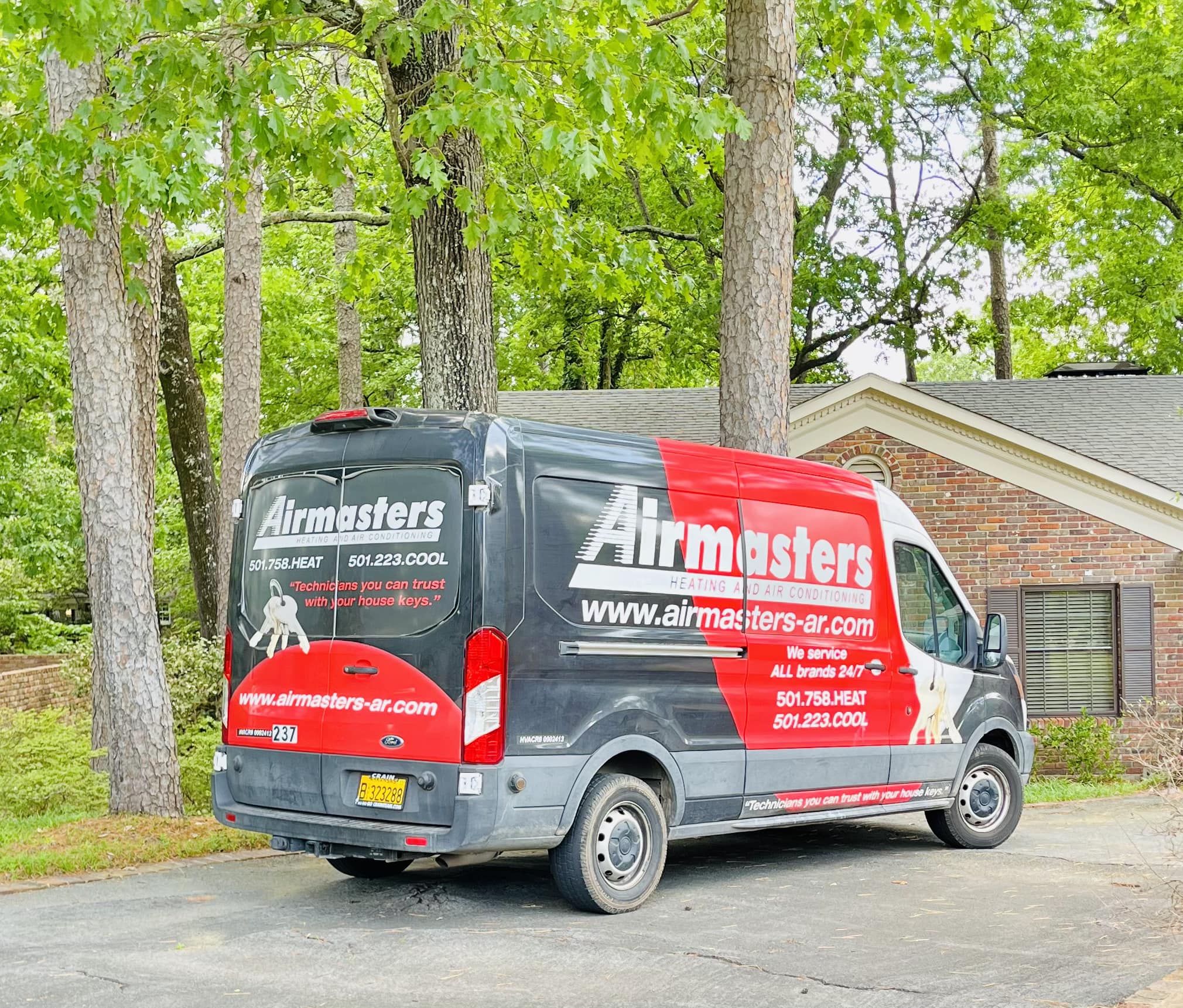
Airmasters of Arkansas provides HVAC and electrical services for residential and commercial properties throughout Central Arkansas. From AC installation and maintenance to panel upgrades and electrical inspections, the team can help property owners address multiple essential systems through one experienced provider.
If you are considering an HVAC replacement, adding cooling equipment, or concerned about your property’s electrical capacity, professional guidance can help you make an informed decision.
Contact Airmasters of Arkansas today to discuss your HVAC and electrical needs and schedule a professional evaluation.